Minimum order value ₹99.00 · Get 10% Off on Cart Value use Coupon code VASP10 · Free shipping over ₹999.00


Medium Power Transistors Guide and Reviews

Medium Power Transistors – Practical Review (Part 1)
Focus: General Purpose → High Voltage → Driver → Output Stage Progression
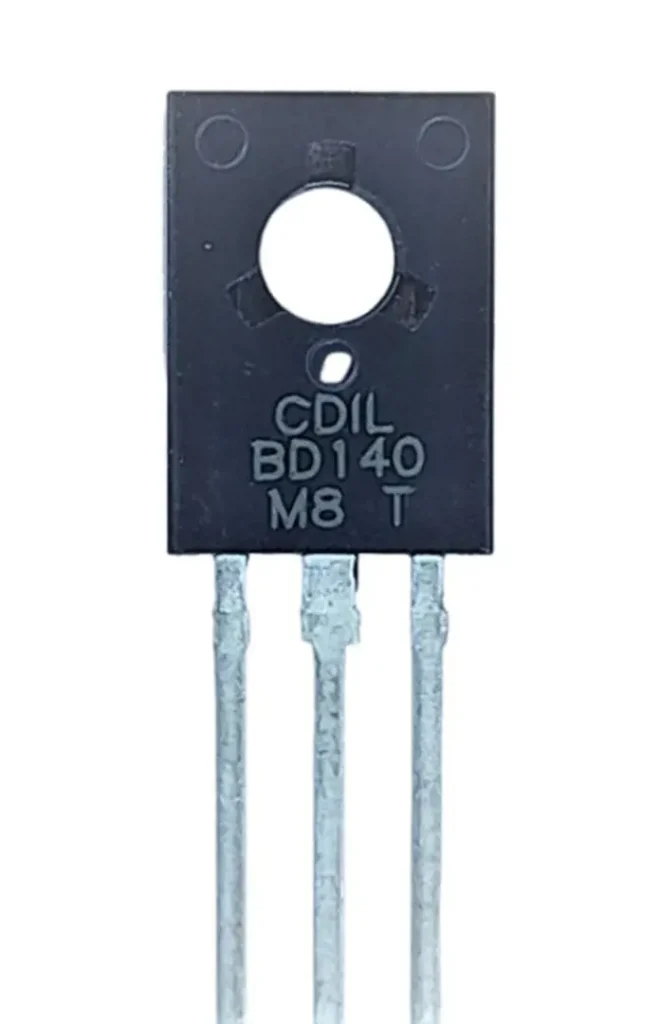
1. BD139 / BD140 – General Purpose Medium Power Pair
What it is
A widely used medium power NPN–PNP transistor pair designed for linear and switching applications.
Key Specs
- VCEO (BD139 / BD140): ±80 V
- Collector Current (IC): ±1.5 A
- Power Dissipation: 12.5 W (Tc), 1.25 W (Ta)
- hFE: 40 – 250
- Saturation Voltage: ~0.5 V
Important Behavior
- Requires proper heat sinking
- Defined safe operating area for reliability
Review Insight
- Most commonly used medium power transistor
- Flexible: works in driver + low power output roles
2. MJE340 / MJE350 – High Voltage Medium Power Pair
What it is
A high voltage medium power complementary transistor pair used in linear and switching circuits.
Key Specs
- VCEO: ±300 V
- Collector Current (IC): ±0.5 A
- Power Dissipation: 20.8 W
- hFE: 30 – 240
Review Insight
- Designed for voltage handling, not current driving
- Used where BD139 cannot handle voltage
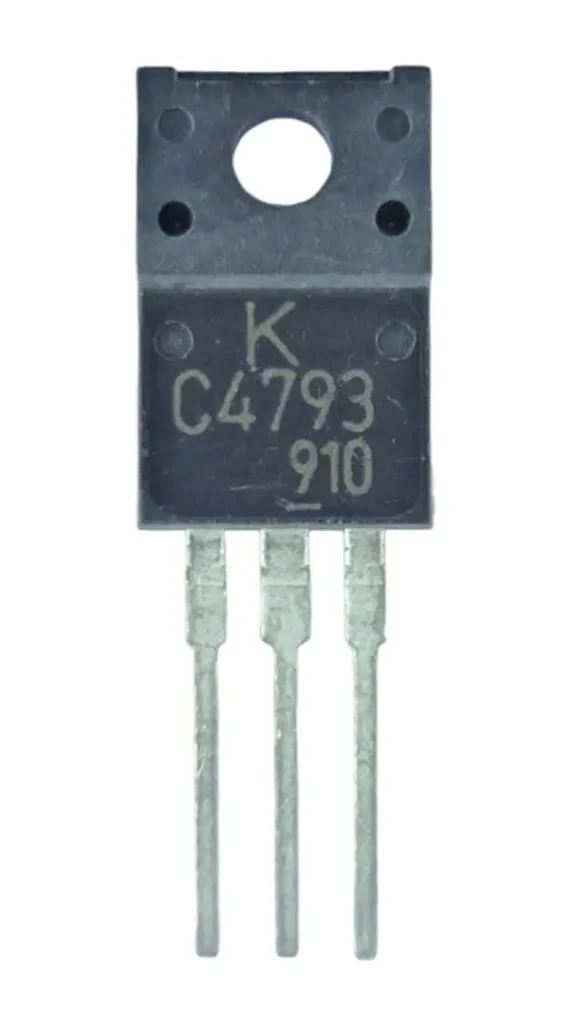
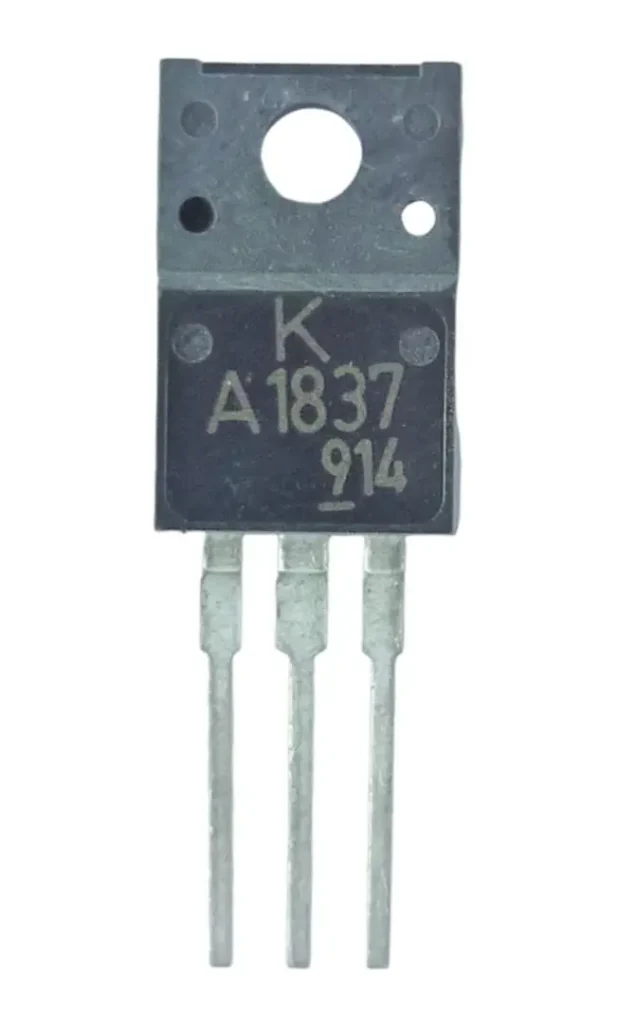
3. 2SC4793 / 2SA1837 – High Voltage Driver Pair
What it is
A high gain, high frequency transistor pair used in amplifier driver stages.
Key Specs
- VCEO: ±230 V
- Collector Current (IC): ±1 A
- Power Dissipation: 20 W
- hFE: 100 – 320
- Transition Frequency: 70–100 MHz
Review Insight
- High speed + high gain
- Designed for clean signal amplification
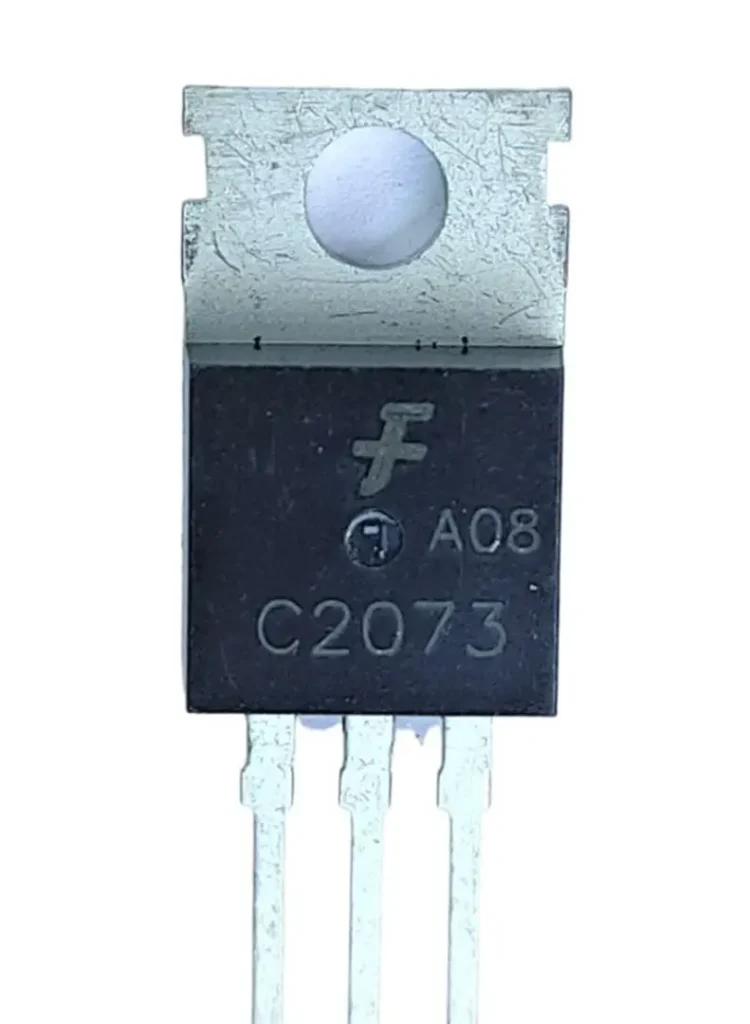
4. 2SC2073A / 2SA940A – Medium Power Output Pair
What it is
A complementary transistor pair designed for power output stage.
Key Specs
- VCEO: ±150 V
- Collector Current (IC): ±1.5 A
- Power Dissipation: 25 W
- hFE: 40 – 140
- Transition Frequency: ~4 MHz
Review Insight
- Final stage → handles load current
- Optimized for power, not speed
Part 1 Conclusion
- BD139/140 → general purpose
- MJE340/350 → high voltage
- 2SC4793/2SA1837 → driver stage
- 2SC2073A/2SA940A → output stage
Medium Power Transistors – Practical Review (Part 2)
Focus: Voltage Amplifier Stage (VAS) + Driver Stage Transistors
1. 2SC3503 / 2SA1381 – High Voltage VAS Pair
What it is
A high-voltage, high-frequency complementary pair designed for voltage amplification stage (VAS) in audio amplifiers.
Key Specs
- VCEO: ±300 V
- Collector Current (IC): ±100 mA
- Power Dissipation: ~7 W
- hFE: 40 – 320
- Transition Frequency: ~150 MHz
Important Behavior
- Very low capacitance (~2 pF)
- Stable gain across operating range
- Designed for low distortion
Review Insight
- Used for voltage amplification, not power
- Critical for audio clarity
2. KSC2690A / KSA1220A – High Speed Driver Pair
What it is
A high-speed transistor pair designed to drive output transistors.
Key Specs
- VCEO: ±160 V
- Collector Current (IC): ±1.2 A
- Power Dissipation: up to 20 W
- hFE: 35 – 320
- Transition Frequency: ~155 MHz
Review Insight
- High speed improves signal response
- Acts as bridge between VAS and output stage
3. 2SB649 / 2SD669 – Medium Power Driver / Output Pair
What it is
A complementary pair used in driver and low-power output stages.
Key Specs
- VCEO: ±160 V
- Collector Current (IC): ±1.5 A
- Power Dissipation: ~20 W
- hFE: 60 – 320
- Transition Frequency: ~140 MHz
Review Insight
- Balanced voltage and current capability
- Can act as driver or low-power output
4. 2SD882 – High Current Medium Power Transistor
What it is
A high-current NPN transistor for switching and power applications.
Key Specs
- VCEO: 30 V
- Collector Current (IC): 3 A
- Power Dissipation: 12.5 W
- hFE: up to 300
- Transition Frequency: ~100 MHz
Review Insight
- High current capability
- Used for load driving
Part 2 Conclusion
- VAS: 2SC3503 / 2SA1381
- Driver: KSC2690A / KSA1220A
- Driver/Output: 2SB649 / 2SD669
- High Current: 2SD882
Medium Power Transistors – Practical Review (Part 3)
Focus: Power Output Stage Transistors (TIP Series)
1. TIP31 / TIP32 – Basic Power Transistor Pair
What it is
A general-purpose NPN–PNP complementary pair designed for medium power linear and switching applications.
Key Specs
- VCEO: 60V / 80V / 100V variants
- Collector Current (IC): 3A
- Peak Collector Current: 5A
- Power Dissipation: 40W (with heatsink)
- hFE: 10 – 50 (at high current)
- VCE(sat): ~1.2V @ 3A
Important Behavior
- Moderate gain → requires proper base drive
- Low saturation voltage compared to Darlington
- Defined safe operating area (SOA)
Review Insight
- Entry-level power transistor
- Good balance between voltage, current, and efficiency
2. TIP120 / TIP122 & TIP125 / TIP127 – Darlington Power Pair
What it is
A Darlington transistor pair providing very high gain using internal transistor configuration.
Key Specs
- VCEO: 60V / 80V / 100V
- Collector Current (IC): 5A
- Peak Collector Current: 8A
- Power Dissipation: 65W
- hFE: ~1000
- VCE(sat): 2V – 4V
Important Behavior
- Very high gain → minimal base current required
- Higher voltage drop → more heat
- Internal resistors included
Review Insight
- Easy to use but less efficient
- Not ideal for high-quality audio output
3. TIP3055 / TIP2955 – High Power Output Pair
What it is
A high-current power transistor pair designed for amplifier output and heavy load driving.
Key Specs
- VCEO: 60V
- Collector Current (IC): up to 15A
- Power Dissipation: up to 90W
- hFE: 20 – 70
- VCE(sat): ~1.1V @ 4A
- Transition Frequency: ~2.5 MHz
Important Behavior
- Very high current capability
- Low frequency → optimized for power
- Limited by second breakdown
Review Insight
- Designed for power delivery
- Requires proper driver stage
Part 3 Conclusion
- Basic Power: TIP31 / TIP32
- Darlington: TIP120 / TIP127
- High Power: TIP3055 / TIP2955
Correct transistor selection depends on current, voltage, and efficiency requirements.
Medium Power Transistors – Practical Review (Part 4)
Focus: Complete Comparison + Practical Selection Guide
Complete Transistor Comparison Table
| Transistor | Type | VCEO | IC | Power | hFE | fT | Stage |
|---|---|---|---|---|---|---|---|
| BD139 / BD140 | NPN / PNP | ±80 V | 1.5 A | 12.5 W | 40 – 250 | ~50 MHz | General / Driver |
| MJE340 / MJE350 | NPN / PNP | ±300 V | 0.5 A | 20 W | 30 – 240 | ~4 MHz | High Voltage |
| 2SC3503 / 2SA1381 | NPN / PNP | ±300 V | 0.1 A | ~7 W | 40 – 320 | ~150 MHz | VAS Stage |
| KSC2690A / KSA1220A | NPN / PNP | ±160 V | 1.2 A | 20 W | 35 – 320 | ~155 MHz | Driver |
| 2SC4793 / 2SA1837 | NPN / PNP | ±230 V | 1 A | 20 W | 100 – 320 | 70–100 MHz | Driver (HV) |
| 2SD669 / 2SB649 | NPN / PNP | ±160 V | 1.5 A | 20 W | 60 – 320 | ~140 MHz | Driver / Output |
| 2SD882 | NPN | 30 V | 3 A | 12.5 W | Up to 300 | ~100 MHz | High Current |
| TIP31 / TIP32 | NPN / PNP | 60–100 V | 3 A | 40 W | 10 – 50 | ~3 MHz | Power Output |
| TIP120 / TIP127 | NPN / PNP | 60–100 V | 5 A | 65 W | ~1000 | Low | Darlington |
| TIP3055 / TIP2955 | NPN / PNP | 60 V | 15 A | 90 W | 20 – 70 | ~2.5 MHz | High Power Output |
Final Practical Conclusion
1. Signal Flow Understanding (Most Important)
- VAS → Driver → Output
- Each stage uses a different type of transistor
2. Stage-wise Selection
VAS Stage (Voltage Amplification)
- 2SC3503 / 2SA1381
Driver Stage
- KSC2690A / KSA1220A → high speed
- 2SC4793 / 2SA1837 → high voltage
General / Intermediate
- BD139 / BD140
- 2SD669 / 2SB649
Output Stage
- TIP31 / TIP32 → medium power
- TIP3055 / TIP2955 → high power
Special Case
- TIP120 / TIP127 → easy drive but inefficient
- 2SD882 → high current low voltage
3. Real Selection Logic
- High voltage → choose MJE340 / 350 or 2SC4793
- High speed audio → choose KSC2690
- High current load → choose TIP3055
- Simple switching → choose TIP120
Final Rule
- Do not select transistor by name → select by role
- Voltage, current, and frequency must match circuit stage
Wrong selection leads to distortion, overheating, or failure.
Frequently Asked Questions (FAQ)
1. What are medium power transistors used for?
Medium power transistors are used in amplifier driver stages, voltage amplification stages (VAS), and medium to high current output stages in audio and power circuits.
2. What is the difference between VAS, driver, and output transistors?
VAS transistors amplify voltage, driver transistors provide current to control output devices, and output transistors deliver power to the load such as speakers or motors.
3. Which transistor is best for driver stage?
Transistors like KSC2690/KSA1220 and 2SC4793/2SA1837 are commonly used for driver stages due to their high gain and frequency response.
4. Which transistor is best for VAS stage?
2SC3503 and 2SA1381 are used for VAS stage because of their high voltage capability and low capacitance.
5. Which transistor is suitable for high power output?
TIP3055 and TIP2955 are suitable for high power output applications due to their high current handling and power dissipation capability.
6. What is the difference between BD139 and MJE340?
BD139 is a general-purpose medium power transistor with higher current capability, while MJE340 is designed for high voltage applications with lower current handling.
7. Are Darlington transistors (TIP120) good for amplifiers?
Darlington transistors provide high gain but have higher voltage drop, making them less efficient and generally unsuitable for high-quality audio amplifiers.
8. Can driver and output transistors be interchanged?
No, driver and output transistors are designed for different roles. Interchanging them can lead to instability, overheating, or circuit failure.